
“We need signage for a shopping center” can describe very different projects.
A new development may need a complete signage package across the property. An established shopping center may only need to replace an aging monument sign. Another may be renovating several areas, while a property manager may simply need a reliable vendor to handle signage as new tenants move in.
They all need commercial signage. What they don’t need is the same solution.
There is no standard shopping center signage package—and there shouldn’t be.
The right approach starts by understanding what is happening with the property, what each sign needs to accomplish, and how all those pieces fit together.
Think of Shopping Center Signage as a System
Even when only one part is being replaced, it helps to understand signage as a system.
From the road, a monument or pylon sign may identify the property and its tenants. Once visitors enter, directional signage can help them navigate the site. On the buildings themselves, channel letters and other exterior signs identify individual businesses.
Some properties may also incorporate LED message boards or other elements depending on how they communicate with visitors.
Each sign has a different job. And when several of them are part of the same project, they need to work together visually and functionally.
This becomes particularly important with new construction. A new shopping center can require a broad package involving property identification, tenant signage, freestanding structures, directional signs, illuminated signs, and other custom elements.
In that situation, we are not designing several unrelated signs. We are developing signage for an entire property.
Multi-Tenant Signage Has to Work Today (and Tomorrow)
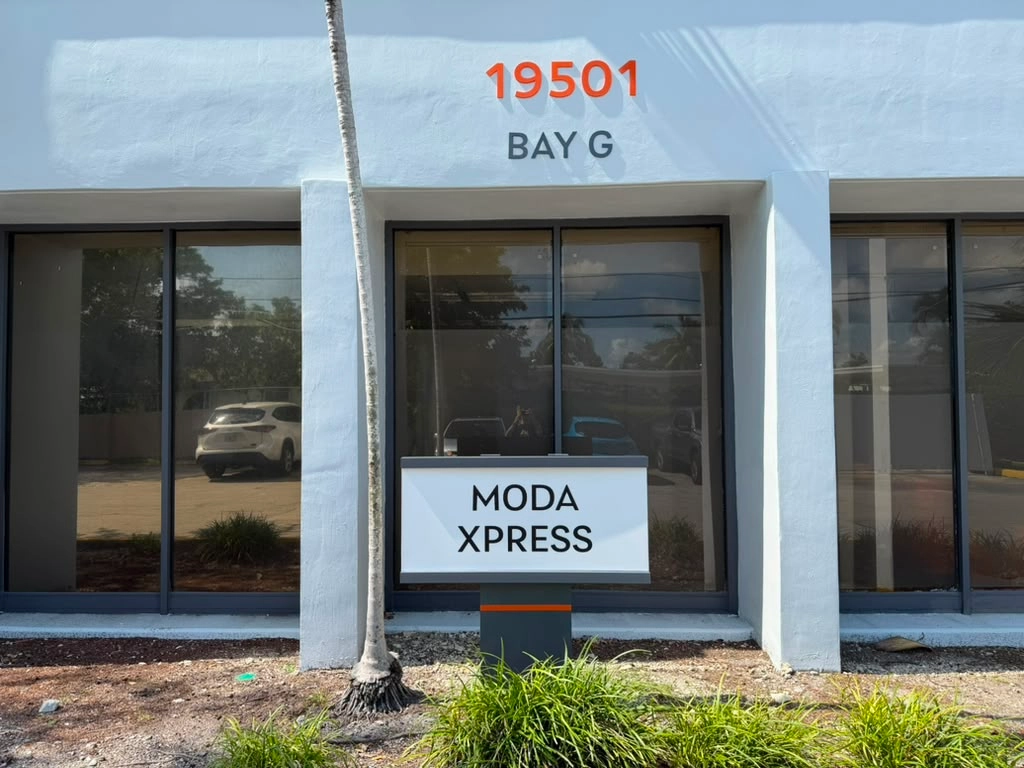
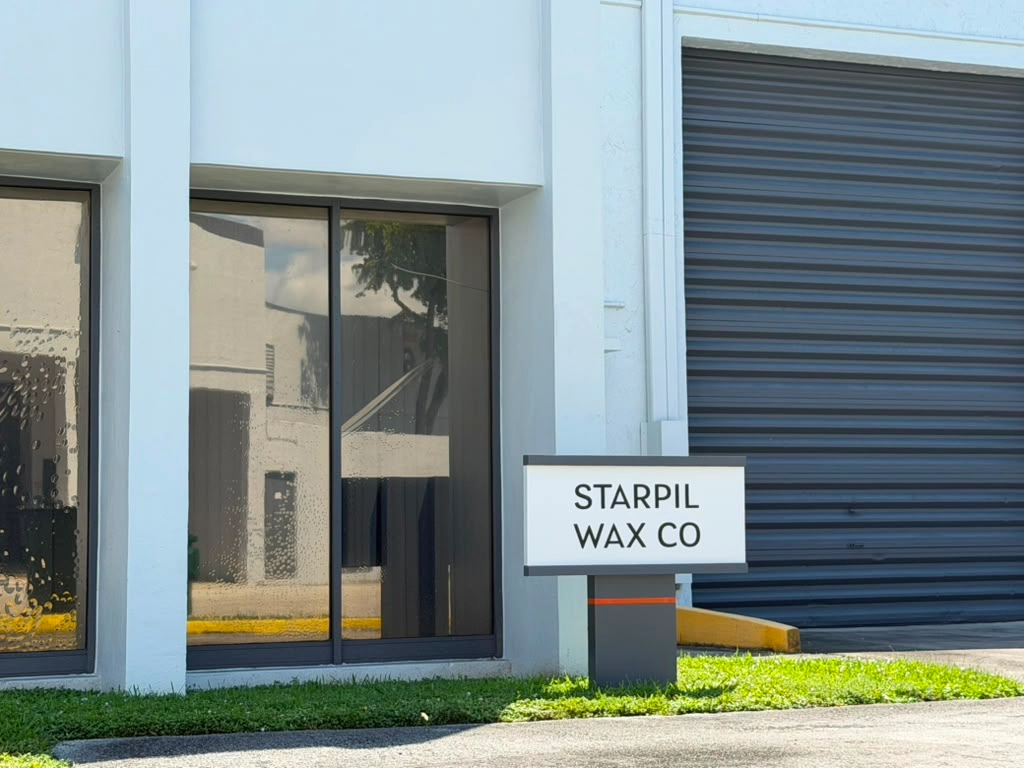
Shopping centers introduce another challenge: tenants change. A multi-tenant monument or pylon needs to identify the businesses currently on the property, but it should also be designed with future changes in mind.
The same applies to building signage. Each tenant has its own brand, while the property may have landlord signage criteria controlling dimensions, placement, illumination, mounting methods, and other design characteristics.
The objective is not to make every tenant look the same. It is to allow individual brands to maintain their identity while keeping the property visually organized.
For property owners and managers, this is also where an ongoing relationship with signage can be useful. Instead of approaching each new tenant as a completely unrelated project, Saul Signs can work as a preferred signage vendor, producing tenant signs as businesses open, relocate, or update their branding while working within the property’s established requirements.
New Construction, Renovation, or One Specific Need?
Not every shopping center project begins at the same point.
For a new development, signage should ideally enter the conversation early. Freestanding signs may require foundations and electrical service. Building signs need appropriate mounting conditions and electrical provisions. Landscaping can affect visibility. Installation equipment needs access to the areas where signs will eventually be placed.
The earlier those requirements are coordinated with the property, the fewer problems there are to solve in the field.
A renovation or rebranding project creates different questions. Some existing structures may remain useful, while others need to be replaced. The property may update only certain areas or completely change its visual identity.
And sometimes the project is intentionally much narrower.
An established shopping center may simply want to modernize its roadside presence with a new monument sign or pylon sign. Another property may already have its main identification resolved and only need a company capable of handling tenant signage.
The scope should follow the property, not the other way around.
Permitting and Property Requirements Still Have to Work Together
Shopping center signage can involve two different layers of approval.
The property or landlord may have its own signage criteria, while the local jurisdiction has separate requirements governing what can legally be installed. And when a project includes several types of signs, permitting may involve different requirements across different parts of the signage package.
This is why design, engineering, permitting, fabrication, and installation should not be treated as completely disconnected stages. A beautiful tenant sign still needs to satisfy the property criteria. A new monument still needs to work at its proposed location. A pylon still needs to be engineered, permitted, fabricated, and installed as an actual structure.
Every sign eventually has to leave the rendering and work in the real world.
One Property Can Mean Many Different Projects
At Saul Signs, we can work with shopping centers at different stages and with very different scopes.
That may mean developing and manufacturing a broad signage package for a new commercial development. It may mean coordinating signs as part of a property renovation. It can mean becoming the preferred vendor for tenant signage or handling a single substantial project, such as a new monument or pylon sign.
Our capabilities cover design, engineering coordination, permitting, fabrication, foundations where required, installation, and inspections, allowing the different parts of a signage project to be coordinated rather than treated as isolated problems.
The value isn’t in forcing every shopping center into the same signage package. It is in understanding what the property needs now, what it may need later, and having the capability to execute that scope properly.
If you are planning signage for a new shopping center, renovating an existing property, updating exterior identification, or looking for a signage partner for your tenants, start with the property and the scope you actually need.
We’ll build the signage strategy around that.